
A recent case out of New Jersey offers an important lesson for employers in Nevada: do not try to get creative with overtime; it will cost you.
The New Jersey Department of Labor and Workforce Development (NJDOL) settled with two janitorial companies for $457,500. The total settlement includes $357,500 in unpaid wages for 68 affected employees, plus an additional $100,000 in fines and penalties to the state.
Here’s what happened.
Splitting the Difference: A Scheme to Avoid Overtime
After receiving multiple employee complaints regarding the company’s failure to pay overtime, NJDOL opened an investigation into Affordable Quality Cleaning LLC (AQC).
During the investigation, investigators learned that employees were receiving paychecks from two related companies, AQC and Affordable Quality Property Management Corp (AQPM). The companies provided similar services and, in addition to having the same owner, shared an office, clients, and many employees, including members of management.
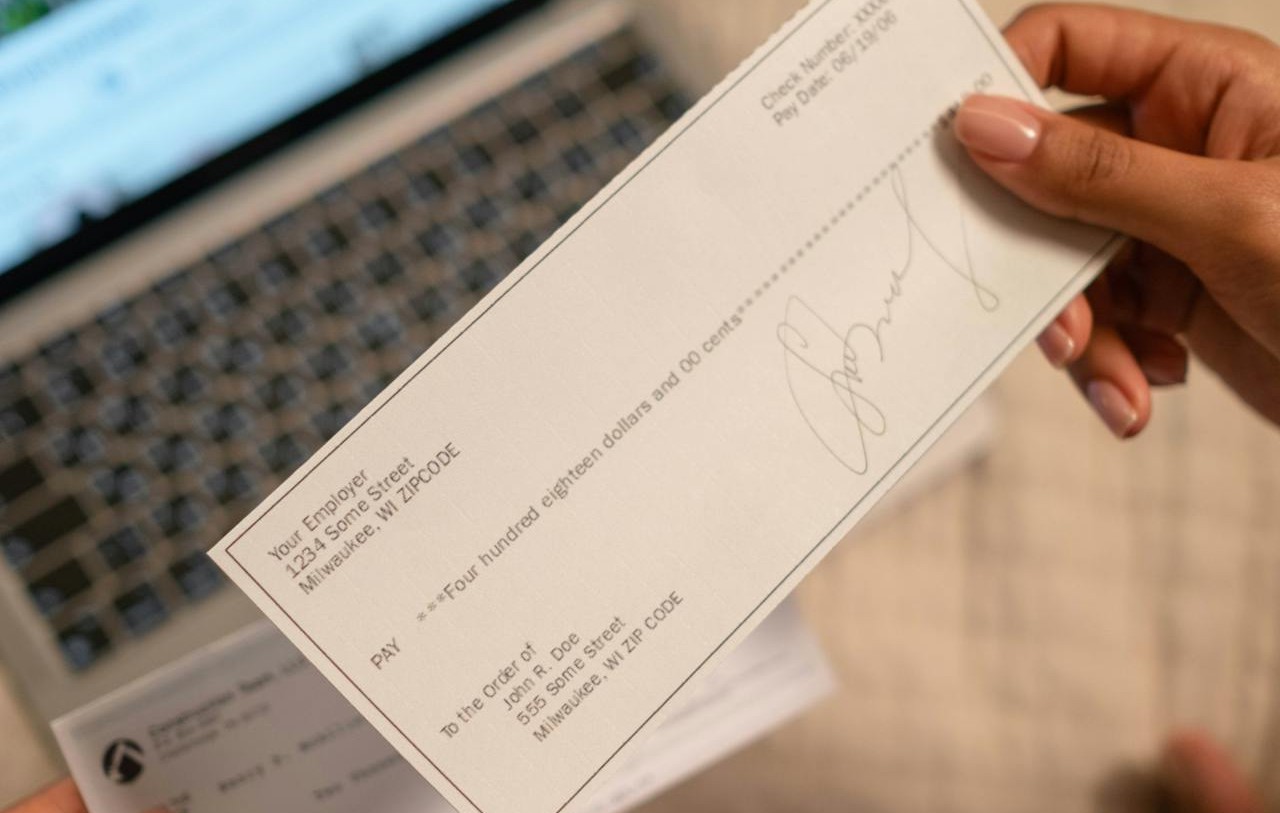
According to the NJDOL investigation, employees were receiving paychecks from each entity. The paychecks divided the total hours worked during the workweek between the two companies. Unsurprisingly, this practice prevented employees from receiving overtime pay even if they worked more than 40 hours during the workweek. NJDOL determined dozens of employees were affected by this scheme.
Under the Fair Labor Standards Act (FLSA), most nonexempt employees must receive overtime pay when they work more than 40 hours in a workweek. Employers cannot avoid overtime pay requirements by dividing an employee’s hours of work between related entities or by issuing multiple paychecks.
While the companies disagreed with NJDOL’s findings, an administrative law judge with the New Jersey Office of Administrative Law ruled in NJDOL’s favor, finding that not only did the Department prove several of its claims, but that AQC and AQPM were acting as joint employers. As a result, both companies were liable for any wages, damages, and relief owed to employees affected by their check-splitting practice.
Other Wage and Hour Violations
The investigation uncovered additional wage and hour violations. NJDOL found that AQC and AQPM failed to pay employees for time spent traveling between worksites during the workday and failed to maintain required time and payroll records.


What Can Nevada Employers Learn from This Case?
The lesson is simple: substance matters more than structure. Regulators and courts will look at how a business actually operates, not just how it is organized. Separate entities, payroll systems, or tax identification numbers will not shield employers from liability if employees are effectively working for a single integrated operation.
What It Means to Be a Joint Employer
Employers sometimes assume that maintaining separate legal entities automatically limits liability. However, when businesses share ownership, management, supervisors, employees, or control over working conditions, regulators may view those entities as joint employers regardless of their corporate structure. The janitorial companies in this case shared an owner, office space, clients, management personnel, and employees, making them a textbook example of the type of relationship that can give rise to joint employer liability.
You Must Count All Hours Worked
One of the most important compliance lessons from this case is that overtime obligations may extend across related entities. Splitting an employee’s hours or paychecks between affiliated companies does not eliminate the requirement to pay overtime if those businesses are determined to be joint employers. Employers should ensure that timekeeping and payroll systems can identify employees working for multiple related entities, count all compensable hours worked, and calculate overtime based on the employee’s total number of hours worked during the workweek.
In Conclusion
Creative accounting may look like a way to reduce labor costs, but regulators are far more interested in what happens in practice. Even if payroll arrangements were created out of convenience rather than to avoid overtime, employers can still face liability if employees are not paid correctly.
Businesses that rely on shared employees or integrated operations should regularly review their payroll practices, timekeeping procedures, and overtime calculations to ensure compliance before a regulator does it for them. The cost of being proactive is almost always far less than the cost of defending a claim.
By: Audra L. Parton, JD