
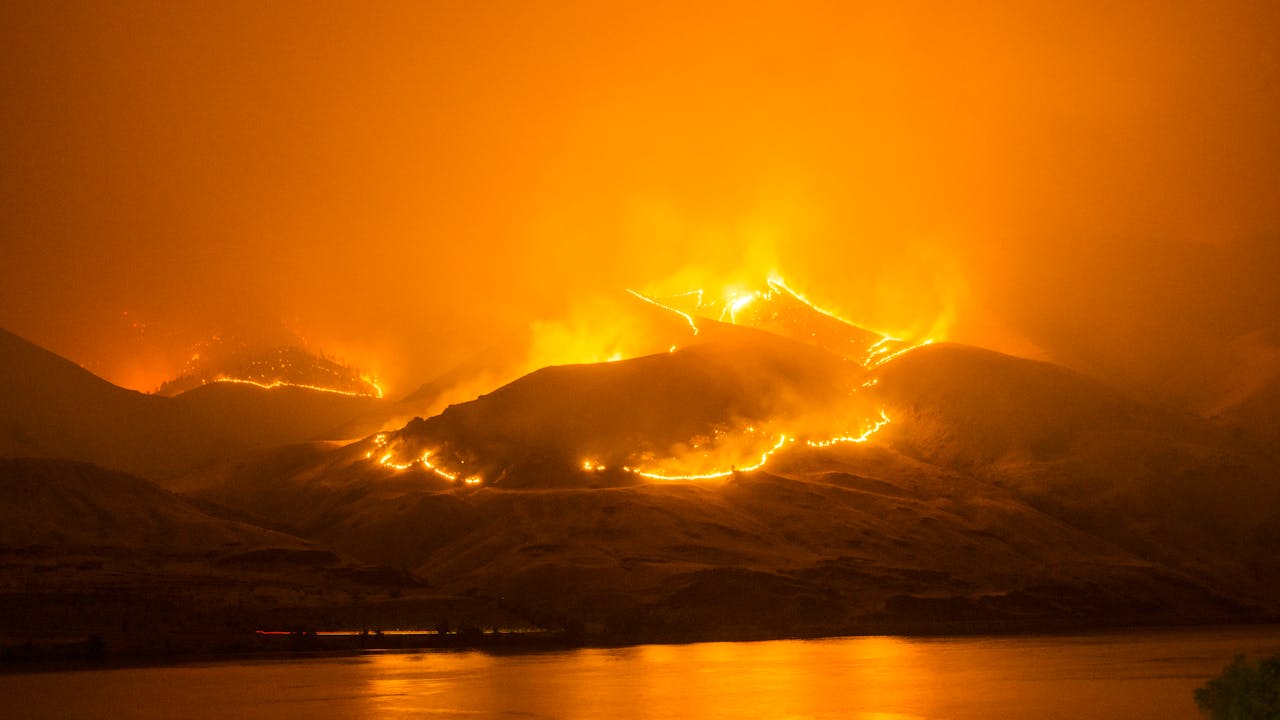
Wildfires, extreme heat, flooding, winter storms, power outages, and other emergencies can create difficult situations for Nevada employers and their employees.
When a natural disaster or other emergency occurs, employers may suddenly face questions they do not encounter during normal operations. What happens if an employee cannot safely make it to work? What if the workplace loses power? Can employees be sent home? What happens if wildfire smoke makes outdoor work unsafe?
In addition to understanding their legal obligations, employers should consider the practical and human impact these events can have on their employees.
Here are several issues Nevada employers should keep in mind.
Employees Who Cannot Report to Work
Unlike California, Nevada does not have a general law giving private sector employees a broad right to refuse to report to work simply because an emergency condition exists. That does not mean employers should ignore legitimate safety concerns.
Employers have workplace safety obligations, and circumstances may arise where requiring employees to work would create an unreasonable safety risk. Employers should evaluate the particular circumstances, including evacuation orders, road closures, government directives, and conditions at the workplace. Employers should also have a clear procedure for employees to communicate when an emergency prevents them from reporting to work.
Whenever possible, employers should be consistent in how these situations are handled while recognizing that emergencies may require some flexibility.
Wildfire Smoke Is an Increasingly Important Nevada Issue
Wildfires have become an especially important workplace issue in Nevada because smoke from fires in Nevada and neighboring states can cause significant deterioration in air quality.
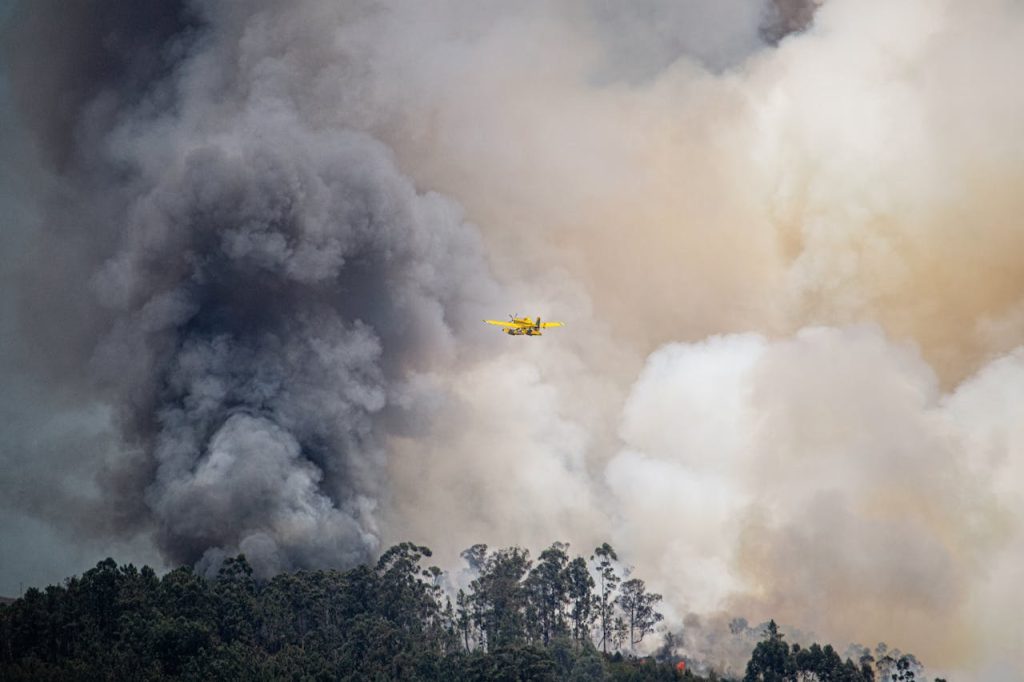
Nevada adopted legislation in 2025 requiring the Division of Industrial Relations to establish requirements addressing employee exposure to poor outdoor air quality caused by wildfire smoke.
The law requires regulations addressing measures employers must take at specified Air Quality Index (AQI) levels, communication with employees regarding wildfire smoke exposure, and an AQI level at which employees may not be permitted to perform certain critical tasks outdoors. The requirements generally apply to employers with more than 10 employees whose employees may be exposed to wildfire smoke outdoors. Certain employers and industries are excluded from the law.
Employers with employees who regularly work outdoors should make wildfire smoke and air quality part of their emergency preparedness and workplace safety planning.
What If the Business Closes or Employees Are Sent Home?
Unlike California, Nevada does not require employers to provide a minimum amount of pay when an employee reports for a scheduled shift but is sent home early. Nevada has no general reporting time pay law that guarantees compensation simply for reporting to work.
Generally, nonexempt employees must be paid for the time they actually work. If a business closes because of a wildfire, power outage, flooding, or another emergency, employers should make sure employees are properly compensated for all hours actually worked.
Different considerations can apply to exempt salaried employees. Improper deductions from an exempt employee’s salary can potentially affect the employee’s exempt status under federal wage and hour law. Employers should therefore evaluate salary deductions carefully before reducing an exempt employee’s pay because the workplace was closed or the employee could not work.
Employers should also review their own policies. A handbook, employment agreement, or established company practice may provide employees with benefits beyond what the law requires.
Consider Remote Work When Practical
One lesson employers learned during the pandemic is that some jobs can be performed effectively from somewhere other than the normal workplace. If the workplace is inaccessible but employees can safely and effectively work remotely, temporary remote work may be an option.
Employers should remember that normal wage and hour rules continue to apply. Nonexempt employees working remotely must accurately record their working time and must be paid for all hours worked, including applicable overtime.


PTO and Other Leave Options
Natural disasters can affect employees even when the workplace itself remains open.
An employee may be subject to an evacuation order, lose electricity or water at home, have property damaged, experience transportation problems, or need time to deal with the effects of an emergency on their family.
Employers should review their PTO and leave policies to determine what options are available. Even when an employee does not qualify for a legally protected leave of absence, an employer may want to consider allowing PTO, unpaid time off, a personal leave of absence, or temporary remote work when appropriate.
Consistency remains important. Employers should avoid making decisions based on protected characteristics or applying policies differently to similarly situated employees without a legitimate reason.
Don’t Forget the Human Side
Compliance is important, but natural disasters are also situations where a little flexibility can go a long way.
An employee who has evacuated their home, lost property, or is dealing with a serious emergency may need time to address immediate practical concerns.
Employers that offer an Employee Assistance Program (EAP) should remind employees about available resources, including counseling and other support services.
Managers should also know where to direct employees with questions rather than making promises about leave, compensation, or benefits on their own.
Creating a Natural Disaster Response Plan for the Workplace
Employers should not wait until smoke fills the valley, roads close, or the power goes out to decide how they will respond.
Consider addressing these issues in advance:
- Who has authority to close the workplace or send employees home?
- How will employees be notified of a closure or delayed opening?
- Who determines whether employees can work remotely?
- How will nonexempt employees record remote working time?
- How will PTO or unpaid time off be handled?
- What procedures apply when an employee believes conditions are unsafe?
- How will the organization monitor wildfire smoke and air quality when employees work outdoors?
- Who should employees contact if they are affected by an evacuation or other emergency?
A little planning can prevent confusion when an emergency actually occurs.
Natural disasters are unpredictable. Your organization’s response to them does not have to be.
Nevada Association of Employers members with questions about wage and hour requirements, workplace safety, leave policies, or responding to emergencies should contact NAE for assistance.
By: Thoran Towler, Esq.